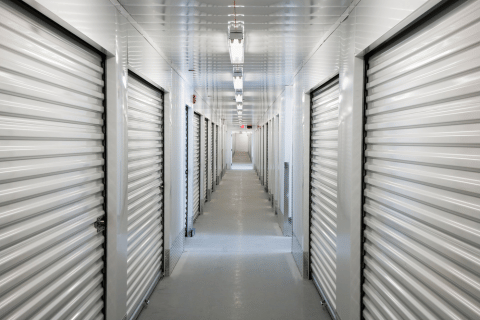
Self Storage Size Guide
Written by the The Storage Scanner team. As an independent comparison platform for self storage across Europe and the UK, we analyze thousands of listing data points every day. We don’t just compare prices; we structure data on dimensions and capacity to help you visualize exactly how much space you need to avoid overpaying for air.
Choosing the right self storage unit is one of the most important decisions you make when moving home, decluttering, renovating, studying abroad, or storing business stock. At The Storage Scanner, we compare storage facilities across Europe and the UK, and one of the most common problems we see is simple: people underestimate or overestimate the size they need.
Rent too small, and move-in day becomes stressful, expensive, and time-consuming. Rent too large, and you may pay for unused space month after month. This guide is designed to help you choose the right unit size with confidence using the measurement standard that matters most in Europe and the UK: square metres (m²).
We focus this guide entirely on m² so you can make faster and clearer decisions when comparing facilities. We also explain how ceiling height, packing quality, and item type affect how much floor space you really need. The goal is not just to give you a rough estimate, but to help you choose a size that matches your real storage use-case.
Who this guide is for: households, students, expats, people in a temporary housing gap, people renovating, small businesses, e-commerce sellers, tradespeople, and anyone who wants to compare self storage sizes without guesswork.
Why Self Storage Size Planning Matters
Many customers choose a storage unit based on a quick visual guess. That works sometimes, but it often fails when furniture dimensions, box stacks, and access needs are not considered. A sofa may fit in your mental estimate, but when you add a mattress, fridge, wardrobe panels, and 35 boxes, the required floor area can increase quickly.
Good size planning helps you:
- Avoid paying for unused space: a small reduction in m² can reduce your monthly storage cost significantly.
- Move faster and safer: a well-planned unit reduces re-stacking and damaged items.
- Preserve access: if you need regular visits, you need a practical layout, not just a full unit.
- Compare like-for-like: facilities may describe units differently, but m² gives you a consistent basis.
- Store more efficiently: better packing can reduce required floor space by 20-40% in many cases.
At The Storage Scanner, we strongly recommend planning your unit size using floor area first (m²), and then checking how much vertical stacking is possible based on ceiling height and the types of items you are storing.
Understanding Storage Dimensions in Practice: Floor Area (m²) vs. Usable Capacity
In Europe and the UK, self storage units are typically advertised and priced by square metre (m²). That is the floor area you rent. However, two units with the same floor area may not perform the same in real life if one has better height, cleaner shape, fewer obstacles, or better access.
This is why the same 5 m² unit can feel very different depending on how you pack it:
- A neatly packed 5 m² unit with uniform boxes and disassembled furniture can store a surprising amount.
- A poorly packed 5 m² unit with loose bags, assembled furniture, and awkward gaps can feel “too small' very quickly.
- A 5 m² unit used for long-term storage can be packed tighter than a 5 m² unit used for frequent access.
Key principle: the more efficiently you use height and stacking, the less floor area (m²) you need to rent.
Most modern facilities in Europe and the UK offer practical internal heights that allow efficient stacking for boxes and many household items. However, always check the actual unit dimensions, because some units have lower ceilings, sloped areas, columns, or access constraints.
How to Choose the Right Unit Size in m² (Simple Method)
If you do not want to measure every single item, use this three-step method to get a reliable estimate:
- List your largest items first (beds, sofas, wardrobes, appliances, desks, bikes).
- Estimate box count (small, medium, large moving boxes).
- Decide your storage style: compact long-term storage or frequent-access storage with an aisle.
Then choose a size range based on the category guide below and add a margin if any of the following apply:
- You are not disassembling furniture
- You need regular access to multiple items
- You are storing bulky but light items (e.g., sports gear, shop fittings, displays)
- You are unsure of final move volume
- You want easier loading and unloading on move-in day
Practical rule of thumb: if you are between two sizes, choose the larger one if access and convenience matter. Choose the smaller one only if you are confident in your packing and plan to store items long-term without frequent visits.
Master Self Storage Size Guide
The table below uses square metres (m²) as the primary basis for choosing a unit. These ranges are practical planning categories used across many self storage comparisons, but exact fit depends on item mix, packing quality, and access needs.
| Size Category | Floor Area (m²) | Typical Use | Good For | Access Notes |
|---|---|---|---|---|
| Micro / Locker | 0 - 1 m² | Small personal storage | Luggage, archive boxes, seasonal clothing, small electronics, sports gear | Best for compact items; not suitable for furniture-heavy storage |
| Small Mini | 1 - 2 m² | Student / overflow storage | Boxes, bike, small furniture pieces, dorm-room contents | Works well if furniture is disassembled and stacked efficiently |
| Small | 2 - 4 m² | Studio / room contents | Bed frame, desk, chair, boxes, small appliances | Very popular for short moves, decluttering, and student transitions |
| Medium-Small | 4 - 6 m² | 1-bedroom flat contents | Sofa, double bed, fridge/freezer, boxes, wardrobes (disassembled) | Often the best balance of cost and capacity for households |
| Medium | 6 - 8 m² | 2-bedroom apartment contents | Multiple beds, dining set, appliances, larger furniture mix | Choose higher end of range if you need an access aisle |
| Medium-Large | 8 - 10 m² | Large apartment / small house move | Bulky household contents, renovations, temporary relocation storage | Useful when item count is high but you still want some access |
| Large | 10 - 15 m² | 3-bedroom house / family storage | Full household contents, major renovation storage, business stock overflow | Popular for full moves and long renovation periods |
| Extra Large | 15+ m² | Large homes / business and commercial use | 4+ bedroom homes, palletized stock, office furniture, project materials | Check access, loading bays, and lift dimensions if upper floor |
Important: Some facilities advertise nominal sizes (for example, “5 m²') while the actual internal dimensions may vary slightly. Always confirm the unit’s internal length, width, and height before booking if your items are bulky or tightly dimensioned.
Detailed Size Category Guide (Expanded, m²-Only)
0 - 1 m² (Micro / Locker Storage)
This category is ideal for people who need a secure extension of a cupboard, attic, or hallway closet. Think luggage, archive boxes, winter clothing, sports equipment, and compact personal items. It is especially useful in city centres where living space is limited.
Typical use-cases: seasonal clothing rotation, travel luggage storage, student summer break essentials, document archive boxes, small tools, or hobby gear.
Best tip: use identical boxes and label every side. In small spaces, organization matters more than in larger units because one misplaced item can block everything else.
1 - 2 m² (Small Mini)
A strong option for students, renters, and anyone between rooms. This range can often hold a bike, several boxes, a small chest of drawers, and soft furnishings if packed properly. It is also a practical “overflow' solution for people who are not moving home but simply need breathing room.
Typical use-cases: student storage between terms, temporary housing gaps, bike + box storage, decluttering a spare room, or storing business samples and marketing materials.
Best tip: prioritize vertical stacking and store awkward items (like a bike) last if you do not need regular access.
2 - 4 m² (Small Unit)
This is one of the most versatile categories for households. It can suit the contents of a room, a compact studio setup, or a focused decluttering project. If you are renovating a bedroom, home office, or living room, this range can often be enough when furniture is disassembled.
Typical use-cases: studio apartment contents, room-by-room renovations, moving delay storage, downsizing support, or student move-outs with furniture.
Best tip: remove table legs, dismantle bed frames, and store mattresses upright to dramatically improve usable floor area.
4 - 6 m² (Medium-Small)
This is one of the most commonly chosen ranges for home moves and life transitions. It can often hold the contents of a typical 1-bedroom flat, depending on furnishing density and how efficiently the unit is packed. It is also a very practical size for couples who need short-term storage during renovations or a temporary move.
Typical use-cases: 1-bedroom home moves, renovation overflow, furniture storage during flooring or painting work, relocation between rentals, or mixed personal/business storage.
Best tip: create zones inside the unit (furniture wall, box stacks, fragile items, quick-access items) before you start unloading the van.
6 - 8 m² (Medium)
This size range is a strong choice for larger apartments, small family homes, and households with multiple appliances. It provides enough floor area for a more comfortable layout, especially if you need to retrieve items during the storage period.
Typical use-cases: 2-bedroom apartment moves, longer home renovations, family decluttering, temporary relocation, and mixed household + garage overflow storage.
Best tip: if you expect repeat visits, do not pack edge-to-edge. Plan a narrow walkway and keep high-use items near the entrance.
8 - 10 m² (Medium-Large)
This is often the “safety margin' size for people who are uncertain between medium and large. It is a helpful option for furniture-heavy homes, households with bulky items, or anyone who wants easier move-in logistics and less Tetris-style packing pressure.
Typical use-cases: larger apartment contents, partial house moves, renovation phases affecting multiple rooms, stock overflow for small businesses, or tradespeople storing materials and equipment.
Best tip: use shelving only if allowed and stable. In many cases, strong box stacks and furniture platforms are more space-efficient than improvised shelving.
10 - 15 m² (Large)
This range is commonly used for full household storage during major moves, long renovations, or temporary relocations. It can often handle a 3-bedroom home, but final fit depends on item density, garage contents, outdoor equipment, and whether you are storing white goods, tools, and bikes alongside furniture.
Typical use-cases: family house moves, complete-home renovation storage, overseas relocation staging, inheritance or estate clearance support, and larger business storage needs.
Best tip: make a loading plan before move day. With larger units, poor loading order can waste a lot of space and make later access difficult.
15+ m² (Extra Large / Commercial)
This category suits large households, businesses, contractors, e-commerce operations, and project-based storage needs. At this size, layout and access become just as important as raw capacity. Businesses should also check loading access, opening hours, lift dimensions, and whether pallet movement is practical.
Typical use-cases: 4+ bedroom homes, office furniture and archives, retail refit storage, contractor materials, seasonal business stock, event equipment, and long-term inventory overflow.
Best tip: if you are storing business items, map the unit like a mini-warehouse with labelled zones and a clear picking path.
Inventory Planning Table
Although units are rented by m², item planning still matters because item shape, stackability, and packing method determine how much floor area you need. The table below adds an estimated packed volume (m³) and a typical floor footprint (m²) per item (or per piece) to help you build a more realistic storage plan.
Note: These are practical planning estimates for self storage, not exact measurements. Actual space use depends on dimensions, whether items are disassembled, and how efficiently you stack.
| Item | Est. Packed Volume (m³) | Typical Floor Footprint (m²) | Space Impact on m² Planning | Stacking Potential | Storage Notes |
|---|---|---|---|---|---|
| King Size Mattress | 1.1 - 1.3 m³ | 0.20 - 0.45 m² (upright) / 3.0+ m² (flat, not recommended) | High if stored flat; low-to-medium if upright | Low | Store upright on long edge with a protective cover |
| Double Mattress | 0.8 - 1.0 m³ | 0.18 - 0.35 m² (upright) / 2.0+ m² (flat, not recommended) | Medium if upright | Low | Keep dry and avoid bending unless manufacturer allows it |
| 3-Seater Sofa | 2.2 - 3.0 m³ | 1.4 - 2.0 m² | High | Medium | Can support light boxed items if protected properly |
| 2-Seater Sofa | 1.5 - 2.2 m³ | 1.0 - 1.5 m² | Medium-High | Medium | Place against wall to preserve central floor area |
| Dining Table (legs removed) | 0.3 - 0.6 m³ | 0.25 - 0.60 m² | Low | High | Disassembly greatly reduces floor footprint |
| Dining Chairs (per chair) | 0.15 - 0.25 m³ | 0.15 - 0.30 m² (less when stacked) | Low-to-Medium | High | Stack top-to-tail where stable |
| Wardrobe (flat-packed) | 0.2 - 0.5 m³ | 0.15 - 0.40 m² | Low | Excellent | Much better than storing assembled furniture |
| Armchair / Recliner | 0.8 - 1.4 m³ | 0.6 - 1.0 m² | Medium | Medium | Awkward shapes can create dead space if placed early |
| Washing Machine / Dryer | 0.45 - 0.65 m³ | 0.35 - 0.50 m² | Medium | None | Keep upright; can support light items on top if stable |
| Refrigerator (full-size) | 1.0 - 1.6 m³ | 0.45 - 0.80 m² | High | None | Must stay upright; factor door clearance on move-in |
| Dishwasher | 0.35 - 0.50 m³ | 0.35 - 0.45 m² | Medium | Low | Can support light items if balanced |
| Medium Moving Box (per box) | 0.06 - 0.09 m³ | 0.10 - 0.16 m² footprint (stacked in columns reduces total m² impact) | Low individually; high in total quantity | Excellent | Uniform box sizes make m² planning much easier |
| Large Moving Box (per box) | 0.10 - 0.16 m³ | 0.14 - 0.22 m² footprint (stacked in columns reduces total m² impact) | Low individually; medium-high in total | Excellent | Do not overload; weight limits affect stack safety |
| Mountain Bike | 0.6 - 1.0 m³ | 0.6 - 1.2 m² | Medium | Low | Often easiest to place last near entrance or side wall |
| Upright Piano | 1.2 - 2.0 m³ | 0.8 - 1.5 m² | High | None | Requires careful handling and climate considerations |
| Chest of Drawers | 0.6 - 1.1 m³ | 0.5 - 0.9 m² | Medium | High | Use drawers for linens or soft goods to save space |
| Office Desk | 0.5 - 1.0 m³ (assembled) / 0.2 - 0.5 m³ (disassembled) | 0.5 - 1.2 m² (assembled) / 0.2 - 0.6 m² (disassembled) | Medium | Medium | Disassemble if possible for better m² efficiency |
How to use this for unit planning: total the bulky items first, then estimate your box count, then choose a unit size range in m². If your list includes many awkward or non-stackable items (sofas, fridges, bikes, piano), choose the upper end of your m² range.
How to use this table: if your list contains many “high space impact' items, choose the upper end of your size range. If most of your inventory is boxed, stackable, and disassembled, you can often choose the lower end.
Expert Packing Strategies to Reduce the m² You Need
At The Storage Scanner, we consistently see one thing: good packing reduces the amount of m² you need to rent. The difference can be substantial, especially for short-term household storage and student moves.
1) Pack for Shape, Not Just for Protection
Many people focus only on protecting items, but shape efficiency matters just as much. Soft bags, loose baskets, and mixed box sizes create unusable gaps. Where possible, use stackable boxes and keep dimensions consistent.
2) Disassemble Anything That Creates Dead Floor Space
Bed frames, table legs, shelves, and modular furniture can consume a lot of floor area when left assembled. Disassembly often turns “I need a bigger unit' into “the current size works.' Keep all screws and fittings in labelled bags taped to the relevant item.
3) Use Internal Space Inside Furniture and Appliances
Suitcases, wardrobes, drawers, and some appliances can hold soft goods and lightweight items. This reduces total box count and makes better use of the floor area you are paying for.
4) Build Stable Vertical Stacks
Heavier boxes at the bottom, lighter boxes at the top. Keep stack heights stable and avoid leaning towers. Uniform box sizes improve stability and let you use height more effectively without wasting m².
5) Keep a “Fast Access' Zone Near the Door
If you will visit the unit often, reserve a small area near the entrance for items you may need: documents, seasonal clothing, tools, stock, or personal essentials. This avoids dismantling half the unit to retrieve one item.
6) Store Mattresses and Large Panels Upright (When Safe)
Mattresses, table tops, and wardrobe panels can often be stored upright against a wall to save floor area. Use protective covers and avoid warping risks by following manufacturer guidance.
7) Label for Retrieval, Not Just for Moving Day
Write labels on at least two visible sides. Add room names or categories (Kitchen, Bedroom, Documents, Winter, Baby, Tools, Stock). Good labelling helps you pack denser because you can still find items later.
8) Plan the Unit Before You Unload the Van
Decide where bulky items go first, where boxes will stack, and whether you need an aisle. A five-minute plan can save hours of reshuffling and reduce wasted m² inside the unit.
How Different Use-Cases Change the m² You Need
Moving Home
For moves, people often underestimate how much space loose household items take compared with furniture. Curtains, lamps, bedding, kitchenware, hallway items, and garage overflow all add up. If your move is stressful or time-sensitive, choosing a slightly larger unit can make loading faster and safer.
Renovations
Renovation storage is often “awkward volume' storage: furniture pushed out of rooms, fragile items, packed cupboards, and temporary overflow from multiple spaces. If builders need clear working areas, your storage needs may grow beyond just the furniture from one room.
Decluttering
Decluttering projects can be efficient in smaller units if you sort before storing. If you use storage as a temporary sorting hub (keep, donate, sell, discard), plan extra m² for access and reorganization.
Student Storage
Student storage often looks small at first but includes bulky soft goods, kitchen items, desk chairs, bikes, and shared-flat items. A compact but well-packed 1-2 m² or 2-4 m² unit is often enough, depending on furniture and whether the student stores alone or with flatmates.
Business Storage
Business users should choose size based on handling method, not just item volume. Do you need to pick items regularly? Do you store boxes, materials, tools, or stock? Do you need a clear working lane? Businesses often benefit from slightly more m² because access efficiency saves time and labour.
Common Mistakes When Choosing a Self Storage Size
- Choosing by “feel' only: visual estimates are often wrong without a box count.
- Ignoring access needs: a tightly packed unit may be unusable if you need regular visits.
- Not disassembling furniture: assembled items consume expensive floor area.
- Using mixed bags and random boxes: this wastes stackable height and increases needed m².
- Forgetting garage/shed/attic items: these often get added at the last minute.
- Assuming all 5 m² units feel the same: height, layout, and access conditions vary by facility.
- Packing fragile items inefficiently: overprotection without planning can waste a lot of space.
A good self storage size estimate balances capacity, packing style, and access needs. That is why a category guide is more useful than a single “one-size-fits-all' answer.
Comprehensive FAQ: Self Storage Sizes
What is the most common self storage size for a house move?
For many households, a 10 m² unit is a common starting point for a standard family move, especially when storing the contents of a furnished home. If the home is heavily furnished, includes garage items, or needs access space, many people choose a larger size in the 10-15 m² range.
How many boxes fit in a 5 m² unit?
There is no exact number because it depends on box size, stack height, and whether furniture is stored as well. A 5 m² unit can hold a large number of boxes if packed efficiently, but if you are storing sofas, mattresses, or appliances too, your box capacity will be much lower. Focus on your full item mix, not just the box count.
Is it better to choose a slightly larger unit?
If you are unsure, yes—especially if move-in day is time-sensitive or you need regular access. A slightly larger unit can reduce stress, speed up loading, and lower the risk of damage caused by overpacking. If you are confident in compact packing and do not need access, a tighter fit can save money.
Do I need more m² if I plan to access the unit often?
Usually, yes. Frequent-access storage works best with a small aisle or access path. If you pack wall-to-wall, retrieving one item may require moving many others. Businesses and long-term personal users often benefit from choosing a size that allows practical access.
Can I store business stock in the same size ranges as household storage?
Yes, but your ideal m² depends on handling style. If you store boxed stock and rotate inventory often, access layout becomes important. For business use, it is often worth renting a little more m² to improve picking speed and organization.
Does ceiling height matter if this guide focuses on m²?
Yes. You rent floor area in m², but usable capacity increases when safe stacking is possible. Taller units can reduce the m² you need if your inventory is stackable. Always confirm dimensions and any restrictions with the facility.
What if my final inventory changes after I book?
This happens often. Many facilities can help you switch to another size if availability allows. It is still smart to prepare a realistic estimate before booking so you can compare prices and avoid last-minute surprises.
How do I get the most accurate estimate?
Make a full inventory list, group items by size and stackability, count your boxes, and decide whether you need an access aisle. Then compare your needs to the category ranges in this guide and choose a facility with dimensions that match your layout plan.
How to Use This Guide When Comparing Facilities on The Storage Scanner
When comparing self storage options on The Storage Scanner, use this process:
- Start with your likely m² range (for example, 4-6 m² or 6-8 m²).
- Compare facilities offering that size range in your city or area.
- Check actual unit dimensions (length, width, height) if available.
- Review access conditions (lift, ground-floor access, loading bays, trolleys, opening hours).
- Choose based on your use-case: compact long-term storage vs frequent-access storage.
This approach helps you compare on a like-for-like basis and choose a unit that is practical, not just cheap on paper.
Final Advice
The best self storage unit size is the one that fits your inventory and your behaviour. If you will visit frequently, choose for access. If you are storing long-term and packing carefully, choose for compact efficiency. If you are uncertain, choose the size that gives you a small margin and a smoother move.
At The Storage Scanner, we recommend planning in m², packing efficiently, and comparing facilities based on real dimensions and access conditions. That is the most reliable way to avoid overpaying or running out of space.
Ready to compare self storage sizes near you? Use The Storage Scanner to compare facilities, prices, and unit options across Europe and the UK, using the size range that actually fits your needs.
Footnote (m² and square feet conversion): This guide is written on a square metre (m²) basis for Europe and the UK. For reference only: 1 m² = 10.7639 square feet (ft²), and 1 ft² = 0.0929 m². Example: a 10 m² unit is approximately 107.64 ft² (often rounded to about 108 ft²).
Other Storage Guides

We’re Here to Help You
The Storage Scanner is dedicated to offering the best support and expert advice in the industry. Our team of storage specialists is here to help you every step of the way, from comparing local facilities to booking the perfect unit for your needs.
We take pride in our 4.8/5 customer rating of 85 Google reviews and our commitment to making your search for self storage simple, transparent, and stress-free. Whether you need help over the phone or online, we’ll ensure you find the right space at the right price.
Find Storage Units Near Me
Looking for cheap self storage? Whether you need personal storage for a move or business storage for inventory, The Storage Scanner compares thousands of storage units near you. Find the best storage space and rent storage at the lowest price today!