
Beating the European Heatwave: How Decluttering and Self-Storage Can Reduce Heat Stress at Home
Struggling with the European heatwave? Discover how decluttering to reduce heat stress at home can naturally cool your home.

 English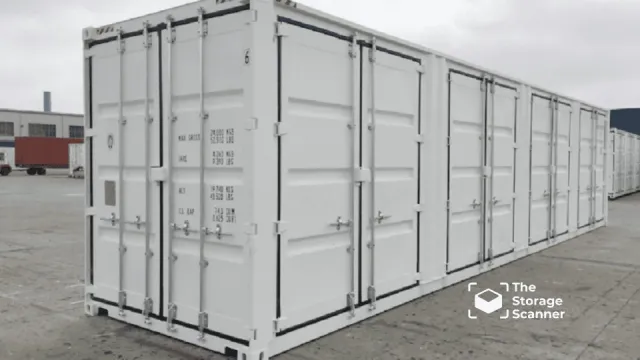
Many individuals, students, and businesses across Europe find themselves needing extra space. Whether it’s for personal belongings, student dorm items, or business inventory, there are various storage solutions available. These range from traditional self storage units and garage boxes to lockers and convenient pick-up services. Each option has its own benefits and limitations. In this guide, we introduce five common storage types and explain what they are, who they suit, and their main pros and cons. This way, you can choose the best solution for your personal or business storage needs.
Below are five popular storage options for private individuals, students, and business owners. Each section explains the storage type, followed by key benefits and limitations.
Self storage involves renting a secure, private unit in a storage facility. You bring your belongings to the unit and can access them during the facility’s opening hours (many facilities offer extended or 24/7 access). Self storage is popular for personal decluttering and moving, for business storage of excess inventory, and for students who need to store their belongings during university breaks.
Flexible rental terms with a range of unit sizes available to match your needs.
Facilities are typically secure (monitored by CCTV and accessible via your own lock/PIN code) to keep your items safe.
No transport provided – you must pack and move items to the unit yourself, and retrieve them when needed.
Access is not on-demand at home: you have to travel to the facility to reach your items (though many self storage sites allow late or 24/7 access).
Garage boxes (also known as lock-up garages) are standalone garage units that you can rent for storage. They are usually ground-level with drive-up access, making it easy to load heavy tools, equipment, or even a vehicle inside. Garage storage is best for items that are not highly sensitive to temperature or humidity, such as furniture, tyres, tools, or spare car parts. It provides a private space under your own lock and key, often in residential areas or storage compounds.
Drive-up convenience – you can park right next to the garage, which is ideal for loading bulky or heavy items.
Great for storing vehicles (cars, bikes) and equipment; these garages handle less fragile items with no need for climate control.
Often a cost-effective option compared to indoor self storage units.
Not all garage boxes are climate-controlled: garage boxes are exposed to outside temperatures and can get very hot, cold, or damp seasonally. They aren’t suitable for delicate or moisture-sensitive goods.
Container storage means using a large metal shipping container as your storage unit. These containers are often located outdoors in a secure yard, or sometimes delivered to your property for you to fill. A standard container offers a straightforward, no-frills storage solution. This option suits those with a high volume of items or large equipment to store. For example, a 20-foot container can hold the contents of a small house or plenty of business stock. It’s ideal if you want to drive right up to your storage space and don’t require indoor climate control.
Spacious: containers have a high capacity, able to fit large furniture, machinery or even vehicles. This makes them useful for both house moves and business equipment storage.
Ground-level access 24/7 in many container sites – you can usually drive up at any time for loading/unloading. This round-the-clock accessibility is a major convenience.
Often cheaper per square metre than indoor self storage, due to lower facility overheads. If you need long-term or bulk storage, container units can be very cost-effective.
No climate control: containers are metal boxes, so they can get hot in summer and cold in winter. Humidity and condensation are possible, so they aren’t ideal for fragile or temperature-sensitive items.
Fewer amenities on site (no indoor corridors, elevators, or trolleys). Container storage yards typically offer basic security like fences and CCTV, but lack the extra services and staff assistance found in indoor facilities.
Lockers are very small self storage units, often about closet-sized, located inside larger facilities. They offer a compact, secure, and affordable way to store personal belongings like documents, luggage, or seasonal items. Lockers are an excellent solution for those who only have a few items to store and don’t need a full-size unit. This option particularly suits students (for example, keeping books and dorm items during summer break) and individuals who just need to tuck away some valuables or files.
Budget-friendly for minimal storage needs – locker rentals are usually the lowest cost option since you’re only paying for a small space.
Secure environment: lockers are inside a monitored facility, so your items benefit from the same CCTV and safety measures as larger units. They stay clean, dry, and protected.
Great for small items: ideal for storing things like documents, winter clothes, textbooks or a couple of suitcases. (It’s a popular choice for students and travellers who need short-term storage of personal items.)
Limited capacity: lockers can’t accommodate furniture or large belongings. If you have more than a few boxes of stuff, you’ll likely need a bigger unit. This solution is only for when space requirements are very small.
Pick-up & delivery storage (also called full-service storage) is a modern storage concept where the company handles the logistics for you. You don’t rent a physical unit yourself; instead, the provider comes to pick up your belongings and stores them in a warehouse, then delivers them back to you when needed. This service is popular with busy urban residents and businesses who value convenience. It’s ideal if you lack transportation or time to move things to a storage unit. For example, busy city dwellers, people without a car, and companies needing overflow space often choose this hassle-free option.
Ultimate convenience: no need to drive anywhere or lift heavy boxes – the company collects your items from your location. This saves you time and effort, making moving things into storage virtually stress-free.
Items are stored in a professional facility and usually insured, giving peace of mind. The storage provider keeps your belongings safe in a controlled environment and will handle returns on request.
Higher cost compared to DIY self storage, as you’re paying for door-to-door service. The convenience comes at a premium, so this might not be the cheapest choice for long-term storage.
No instant access – you can’t just drop by to grab an item. You must schedule a delivery to retrieve your things, which means waiting for an appointment and possibly paying a delivery fee. This makes on-demand retrieval less flexible than having your own unit.
There is no one-size-fits-all solution for storage needs. People across Europe, from students to business owners, have multiple options available. These include self storage units, garage boxes, container storage, lockers, and full-service pick-up storage. The best choice depends on factors like how much you need to store, how often you need access, and your budget. By understanding each option’s benefits and limitations, you can select a storage solution that keeps your belongings safe and suits your situation perfectly.
Self storage takes place in a dedicated indoor facility with individual units and security on-site. Container storage uses shipping containers placed outdoors, often with 24/7 drive-up access. Container storage is usually cheaper but less suitable for temperature-sensitive items.
Students often choose small self storage units or lockers for short periods such as summer break. Some cities also offer pick-up storage services for students who do not have a car or time to move items themselves.
Yes. Many small and medium businesses use self storage, container storage, or garage boxes for stock, tools, documents, and seasonal items. It is a flexible alternative to renting permanent warehouse space.
Usually yes. You pay for convenience, transport, and handling. It is ideal if you want storage without doing the physical work or if you do not have a vehicle. It is less suitable if you need frequent access to items. In dense cities, where fuel, parking, and possible vehicle rental add time and cost, pick-up services can become a smart and cost-effective alternative.
Struggling with the European heatwave? Discover how decluttering to reduce heat stress at home can naturally cool your home.

Explore the Q1 2026 European Self-Storage Index: 52k+ unit types analyzed. Markets diverge as Switzerland soars while France cools. Read the full report here.

Need extra space? The Storage Scanner is now active in Poland and Czechia. Compare prices, sizes, and amenities of self storage facilities.
Looking for cheap self storage? Whether you need personal storage for a move or business storage for inventory, The Storage Scanner compares thousands of storage units near you. Find the best storage space and rent storage at the lowest price today!
















© 2026 The Storage Scanner, all rights reserved