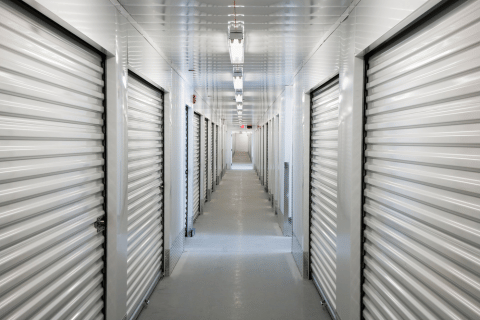
Self Storage Security Guide
Written by the The Storage Scanner team. We compare self storage facilities across Europe and the UK and help users evaluate more than just price and size. Security is one of the most important factors when choosing a storage unit, and this guide explains what to look for, what each security feature really means, and how to reduce risk in practice.
Security is one of the biggest concerns people have before renting self storage. Whether you are storing household furniture during a move, business stock, student belongings over summer, or valuable tools and equipment, you want to know one thing: how safe is the facility, really?
The short answer is that many modern self storage facilities are designed with multiple layers of protection, but not all facilities offer the same level of security. A facility may advertise cameras and gate access, yet still have weak locks, poor lighting, no staff presence, or limited monitoring procedures. That is why it is important to understand what each security feature means and how the different features work together.
This guide gives you a broad, practical, and expert-level overview of self storage security. It covers core features such as 24/7 access, CCTV, climate control, fire alarms, entrance control, on-site employees, and certified alarm systems, plus locks, insurance, tenant best practices, and common mistakes to avoid. It also includes a detailed FAQ so users can make a confident and informed decision when comparing facilities.
Why Self Storage Security Matters
When people think about self storage, they often focus on unit size and price first. Those are important, but security should be near the top of your checklist because the cost of a security issue can be far higher than the monthly rent difference between two facilities.
A secure self storage setup protects against more than theft. It also helps reduce the risk of damage, unauthorized access, tampering, and loss caused by environmental problems or emergencies. Good security is not just one feature. It is a combination of physical security, access control, monitoring, fire protection, staff procedures, and tenant behavior.
In practice, a strong facility usually combines:
- Controlled site entry and exit
- Good lighting and clear visibility
- Camera coverage in key areas
- Secure unit doors and strong lock compatibility
- Staff presence and operational procedures
- Fire detection and emergency systems
- Clear rules on access, identity, and prohibited items
- Tenant responsibility (lock quality, packing, insurance, inventory records)
Think of self storage security as a layered system. No single feature makes a facility “safe' on its own. The strongest facilities reduce risk by making unauthorized access harder, making suspicious activity more visible, and improving response speed when something goes wrong.
How Safe Are Storage Facilities?
The safety of a self storage facility depends on several factors, including location, site layout, building design, maintenance quality, staffing, and the security systems in place. Two facilities in the same city can offer very different levels of protection even if they have similar prices.
Some facilities are modern, purpose-built, and designed around controlled access, monitored corridors, and strong operational procedures. Others may be older or adapted buildings with fewer layers of security. That does not automatically make one unsafe, but it does mean you should evaluate the details carefully.
Questions to ask when assessing how safe a facility is:
- Who can access the site and how is entry controlled?
- Is there CCTV coverage, and is it actively monitored or only recorded?
- Are there on-site employees during business hours?
- What type of lock is recommended for the unit?
- Does the site have alarm systems, and are they certified?
- What fire detection and emergency systems are in place?
- Is the property well lit and well maintained?
- Are there clear restrictions on hazardous or prohibited items?
- Is insurance required or strongly recommended?
If a facility is transparent about these details and can explain how its systems work, that is usually a positive sign. If answers are vague, inconsistent, or overly marketing-focused, dig deeper before booking.
The Core Security Features Explained
24/7 Access
24/7 access is a popular feature in self storage, especially for businesses, shift workers, travellers, and people in the middle of a move. It allows tenants to access their units at any time, but it also changes how security must be managed.
24/7 access is not automatically “less secure,' but it means the facility must rely more heavily on controlled entry systems, logging, camera coverage, lighting, and alarm responses outside staffed hours.
What to check with 24/7 access facilities:
- Is access controlled by PIN, key card, app, fob, or biometric system?
- Are entries and exits logged by user and time?
- Are there restrictions by zone (for example, your code only opens your building or floor)?
- Are cameras positioned at entrances, corridors, lifts, and loading areas?
- What happens if an alarm is triggered at night?
- Is there a monitored response protocol?
For many users, 24/7 access is a major advantage, but it should come with stronger controls, not weaker ones. A facility offering round-the-clock access should be able to explain exactly how it balances convenience and security.
CCTV (Video Surveillance)
CCTV is one of the most common security features listed by self storage facilities. It can be a very important layer of protection, but users should understand what CCTV actually provides.
CCTV can deter suspicious behavior, document events, and support investigations, but cameras alone do not prevent every incident. Coverage quality, camera placement, recording retention, and monitoring practices all matter.
What strong CCTV setup usually includes:
- Coverage of entry and exit points
- Coverage of loading bays and reception areas
- Coverage of corridors, lifts, and key traffic routes
- Good lighting for usable footage quality
- Reliable recording and retention policies
- Clearly visible signage (which also acts as a deterrent)
Good questions to ask:
- Are cameras recording 24/7 or motion-activated?
- How long is footage retained?
- Are all access points covered?
- Is footage reviewed only after incidents, or are alerts monitored?
A facility does not need to disclose sensitive security details, but it should be able to provide reasonable information about coverage and procedures. If a facility advertises CCTV but cannot explain the basics, treat that as a warning sign.
Climate Control
Climate control is often viewed as a comfort feature, but it is also part of a broader protection strategy. Security is not only about preventing unauthorized access. It is also about protecting the condition of your belongings while they are in storage.
Climate-controlled self storage units can help reduce risks related to humidity, temperature swings, and condensation, which may affect furniture, paperwork, electronics, textiles, instruments, and business archives. In many cases, climate control supports preservation, not just convenience.
Items that may benefit from climate control:
- Wood furniture and antiques
- Documents and archives
- Electronics and media
- Artwork and collectibles
- Textiles, clothing, and soft furnishings
- Musical instruments
Climate control does not replace good packing, but it can significantly reduce environmental risk for sensitive items. If you are storing high-value or condition-sensitive belongings, climate control should be part of your security and protection decision.
Fire Alarm Systems
A strong self storage facility should have clear fire detection and emergency safety systems. A fire alarm is one of the most important features on any site because fire risk affects all tenants, not just one unit.
Fire safety features may vary by building type and local regulations, but users should expect professional facilities to have detection systems, emergency procedures, and clear rules on prohibited items.
What to look for regarding fire safety:
- Fire alarm systems in the building
- Smoke and/or heat detection systems
- Clearly marked emergency exits
- Fire extinguishers and emergency equipment in common areas
- Restrictions on flammable or hazardous materials
- Staff emergency procedures and incident protocols
Tenants also play a role in fire safety. Storing prohibited items (fuel, chemicals, gas cylinders, fireworks, certain batteries, etc.) may put your belongings and other tenants at risk and may violate the facility agreement and insurance conditions.
Entrance Control (Gate Access / Building Access)
Entrance control is one of the most important elements of self storage security. It controls who can enter the site, building, or storage area, and it often forms the first line of defense against unauthorized access.
Modern facilities may use:
- PIN code gate entry
- Key cards or fobs
- Mobile app-based access
- Reception check-in procedures
- Zone-based access permissions
- Timed access windows linked to tenant accounts
Strong entrance control is not just about having a gate. It is about having a system that is managed well. Shared codes, tailgating (one person entering behind another), and weak visitor procedures can reduce the effectiveness of otherwise good systems.
What good entrance control looks like in practice:
- Unique credentials per tenant
- Logged access events
- Well-lit entry points
- Clear anti-tailgating signage and policies
- Reception verification during staffed hours
- Restricted access after hours
If a facility has “gate access' or “entrance control,' ask how tenant access is issued, how activity is logged, and how lost credentials are handled.
On-Site Employees: Human Presence Still Matters
On-site employees are one of the most underrated security features in self storage. Cameras, gates, and alarms are important, but trained staff can identify unusual situations, support tenants, check rules, and respond quickly when issues arise.
Staff presence can improve security by:
- Monitoring day-to-day activity on-site
- Helping enforce access policies
- Noticing damaged locks, open units, or suspicious behavior
- Supporting emergency response procedures
- Answering questions about packing, prohibited items, and lock use
Even if a facility offers 24/7 access, having professional staff on-site during core hours is a strong positive sign. It usually indicates better operational discipline and a more structured approach to site management.
When comparing facilities, do not just ask whether staff are present. Ask when they are present and what they are responsible for.
Certified Alarm Systems: Extra Layer of Protection
A certified alarm system can be a strong signal that a facility takes security seriously, especially when combined with controlled access and CCTV. Certification standards vary by country and provider, but in general, certification suggests that the alarm system has been installed and maintained to recognized standards. Well-known certifcations are BS EN 50131 (UK), VdS (DE), NF&A2P (FR), UNE-EN 50131 (ES), BORG-E (NL), SSF standards (SE), FG-godkjent (NO), and F&P Registration (DK).
Alarm systems may cover:
- Perimeter doors and entry points
- Reception and office areas
- Internal corridors or zones
- Motion detection in certain areas
- Integrated alerts to a monitoring or response service
Some facilities also offer unit-level alarms in specific unit types or premium security tiers. If you are storing high-value items, ask whether unit-level alarm options are available and whether they are linked to your individual access profile.
A certified alarm system is not a guarantee of zero risk, but it is an important indicator of investment in professional-grade security infrastructure.
The Lock on Your Unit
Even in a highly secure facility, the lock on your unit door remains one of the most important elements you control directly. A weak lock can undermine an otherwise strong security setup.
For most self storage units, a disc lock (also called a disc tumbler lock) is widely considered one of the best options. Its rounded design reduces exposure to bolt cutters compared with many traditional padlocks. Cylinder-style systems may also be used by some facilities depending on the door design.
What to look for in a storage lock:
- Solid construction and reputable brand
- Shackle design with reduced cutting exposure (for padlocks)
- Compatibility with the unit door latch
- Weather resistance if the unit is outdoors
- Reliable key management (do not label keys with unit number)
Lock best practices:
- Use a high-quality lock from day one
- Do not reuse an old, corroded, or low-grade padlock
- Check the lock every visit for tampering or damage
- Close and test the door properly before leaving
- Keep spare keys secure and separate
If the facility recommends a specific lock type, ask whether that recommendation is based on door design or a formal security policy. Reputable facilities often have practical guidance because they know what works best with their unit doors.
Self Storage Insurance
Security features reduce risk, but they do not eliminate it. That is why insurance is an essential part of a responsible self storage security plan. Many renters underestimate the total value of what they are storing until they make an inventory.
Insurance may help cover losses caused by certain risks, subject to the policy terms and exclusions. Coverage varies widely, so always read the details carefully.
Before relying on any policy, check:
- What causes of loss are covered
- What items are excluded or limited
- Whether valuables require special declarations
- Documentation requirements for claims
- Whether business goods are covered under personal policies
- Whether the facility requires minimum coverage
Even if the facility has excellent CCTV, alarms, and controlled access, insurance remains important. Security measures reduce likelihood; insurance helps with financial recovery if something still happens.
How to Evaluate Self Storage Security Before Booking
When comparing self storage facilities, use a practical checklist instead of relying on one feature or one marketing phrase. A broad review gives you a better picture of real-world security quality.
Security Checklist for Comparing Facilities
- Site access: Is there controlled gate/building entry?
- Identity control: Are tenants verified and issued unique credentials?
- CCTV: Are cameras present in key areas and supported by good lighting?
- Lighting: Is the site well lit at entrances, corridors, and loading areas?
- Staff presence: Are employees on-site during business hours?
- Alarm systems: Is there a certified alarm system or equivalent monitored security setup?
- Fire safety: Are alarms and emergency systems visible and clearly maintained?
- Unit doors and locks: Does the facility support secure lock types?
- Maintenance: Does the property look clean, organized, and actively managed?
- Rules and procedures: Are prohibited items and access rules clearly explained?
If possible, visit the facility in person before booking. A short visit can tell you a lot about lighting, layout, staff professionalism, and overall security culture.
Common Self Storage Security Mistakes Tenants Make
Even at a good facility, tenant choices can increase risk. These are some of the most common mistakes people make when using self storage:
- Using a cheap lock: low-quality locks are easier to defeat and may corrode faster.
- Not checking insurance: many renters assume they are covered without confirming.
- Storing prohibited items: this can create safety risks and void agreements or coverage.
- Poor packing: fragile items damaged by poor packing are a common problem unrelated to theft.
- Leaving valuables undocumented: no photos or inventory list makes claims harder.
- Sharing access credentials: this weakens access control and accountability.
- Failing to secure the unit fully: door not closed properly, lock not checked.
- Posting storage details publicly: avoid sharing unit location or contents on social media.
Self storage security is strongest when facility systems and tenant behavior work together. Good habits make a real difference.
Best Practices to Protect Your Belongings in Self Storage
If you want the most secure setup possible, use this layered approach:
1) Choose the Right Facility, Not Just the Cheapest One
Compare security features, access systems, staff presence, and fire protection alongside price. A slightly higher monthly cost may offer much better protection and lower risk.
2) Use a High-Quality Lock
Prefer a strong disc lock or the facility’s recommended secure lock type. Your lock is your direct line of defense at the unit door.
3) Buy Appropriate Insurance
Make an inventory and estimate replacement value. Confirm what is covered and what is excluded.
4) Pack for Protection and Stability
Use strong boxes, label everything, and avoid stacking unstable loads. Securely packed items are less likely to be damaged if moved or handled.
5) Keep an Inventory and Photo Record
Take photos of major items before storage and maintain a list. This is useful for organization, valuation, and any future claim process.
6) Avoid Storing Prohibited or High-Risk Items
Follow facility rules carefully. These rules exist for safety, legal compliance, and risk reduction across the site.
7) Check Your Unit Regularly (If Appropriate)
For long-term storage, occasional checks can help you spot issues early, such as moisture, packing shift, or lock wear.
Understanding Security Terms You Often See in Self Storage Listings
When comparing self storage facilities, you may see short feature labels that sound similar. Here is what they usually mean in practical terms:
“24/7 Access'
You can access your unit at any time, usually via an access control system such as a gate PIN, key card, fob, or mobile app. Ask how after-hours access is monitored and logged.
“CCTV' or “Video Surveillance'
The site uses cameras in selected areas to monitor activity and/or record footage. Ask about coverage areas, lighting, and recording retention.
“Climate Control'
The unit or building is maintained within a controlled temperature and/or humidity range to better protect sensitive belongings. This is especially useful for condition-sensitive items.
“Fire Alarm'
The building has a fire detection and alarm system. Ask about prohibited items, emergency exits, and basic procedures.
“Entrance Control' or “Gate Access'
Access to the site or building is restricted and typically requires a code, card, fob, or app credential. Strong systems also log tenant entry and exit activity.
“On-Site Employees'
Facility staff are physically present on-site during certain hours, which can improve oversight, support, and incident response.
“Certified Alarm System'
The facility uses an alarm system installed/maintained to recognized standards. Certification can be a useful trust signal when comparing facilities.
What Security Features Matter Most for Different Storage Use-Cases?
Household Storage During a Move
Focus on entrance control, CCTV, good lighting, fire alarm systems, and a strong lock. If storing furniture and documents, climate control may also be valuable depending on duration and item type.
Student Storage
Focus on secure access, CCTV, affordability, and clear procedures. Students often store laptops, documents, clothing, bikes, and personal items, so a good lock and inventory list are especially important.
Business Storage
Focus on 24/7 access (if needed), access logs, CCTV, staff presence, and reliable alarms. Businesses storing stock or tools should also review insurance and retrieval workflows.
High-Value or Sensitive Items
Focus on climate control, strong access control, quality CCTV coverage, certified alarm systems, and insurance terms. Consider asking about unit-level alarm options if available.
Self Storage Security FAQs
How safe are self storage facilities?
Many modern self storage facilities are very secure, especially those with controlled entrance systems, CCTV, lighting, alarms, and professional staff. However, security standards vary by facility, so it is important to compare features and ask practical questions before booking.
What is the best lock for a self storage unit?
In many cases, a disc lock is one of the best choices because its design offers better resistance to cutting than many standard padlocks. Some facilities use or recommend other lock systems based on door design, so always check compatibility and follow facility guidance.
Is CCTV enough to protect my belongings?
No single feature is enough on its own. CCTV is an important layer, but strong security also includes entrance control, alarms, lighting, staff procedures, and a good lock on your unit. Think in terms of layered protection rather than one feature.
Does 24/7 access make a facility less secure?
Not necessarily. 24/7 access can be secure if the facility has strong access control, logging, camera coverage, lighting, and alarm response procedures. The key question is how after-hours access is managed and monitored.
Why does climate control matter for security?
Climate control supports the protection side of security by helping reduce damage risk from humidity and temperature changes. It is especially useful for documents, electronics, wood furniture, textiles, instruments, and other sensitive items.
What does “entrance control' mean in self storage?
Entrance control means access to the site or building is restricted, usually via PIN code, key card, fob, or app. Strong systems also log who entered and when, which improves accountability and site security.
Are on-site employees important if the facility has cameras?
Yes. Cameras are useful, but on-site employees add human oversight, help enforce policies, and can identify or respond to issues in real time during staffed hours. Staff presence is a strong positive factor when comparing facilities.
What is a certified alarm system?
A certified alarm system generally means the facility’s alarm setup meets recognized installation and/or maintenance standards. Certification requirements vary, but it is often a sign that the facility has invested in a more professional security infrastructure.
Should I get insurance if the facility has good security?
Yes. Good security reduces risk, but no facility can eliminate risk entirely. Insurance can help protect you financially if something happens, subject to the policy terms, limits, and exclusions.
What should I ask a storage facility about security before renting?
Ask about entrance control, CCTV coverage, lighting, staff presence, alarm systems, fire safety systems, recommended lock types, after-hours procedures, and whether access events are logged. You can also ask about insurance requirements and prohibited items.
Can I store valuables in self storage?
Policies vary by facility and insurance provider. Some items may be restricted, excluded from coverage, or require special insurance. Always check the rental agreement and insurance terms before storing high-value belongings.
How can I improve security for my own unit?
Use a high-quality lock, avoid sharing access credentials, keep an inventory and photo record, pack securely, follow facility rules, and ensure your unit is properly closed and locked after every visit. Insurance is also strongly recommended.
What does “gate access' mean?
Gate access usually means the site has a gated entrance and you need an access code, card, fob, or app credential to enter. It is one part of entrance control and works best when paired with cameras, lighting, and access logs.
What does “video surveillance' mean?
Video surveillance means the facility uses cameras to monitor and/or record activity on the property. Coverage and monitoring quality can vary, so it is worth asking which areas are covered and how footage is handled.
What does “fenced and lighted' mean?
It typically means the site perimeter is enclosed and the property is illuminated, especially around access points and traffic areas. Fencing and lighting improve visibility and deterrence, but they are most effective when combined with access control and surveillance.
How to Choose a Secure Self Storage Facility
The best self storage security setup is not about one feature or one label. It is about a complete system: controlled access, camera coverage, good lighting, fire safety, alarm infrastructure, professional staff, and responsible tenant habits. Add a strong lock and appropriate insurance, and you significantly improve your overall protection.
When comparing facilities, look beyond marketing terms and ask practical questions. A trustworthy facility should be able to explain how its security works and what steps tenants should take to protect their belongings. That transparency is often one of the best indicators of a well-run operation.
Ready to compare self storage options? Use The Storage Scanner to compare facilities by more than just price and size, and shortlist sites with the security features that match your needs.
Other Storage Guides

We’re Here to Help You
The Storage Scanner is dedicated to offering the best support and expert advice in the industry. Our team of storage specialists is here to help you every step of the way, from comparing local facilities to booking the perfect unit for your needs.
We take pride in our 4.8/5 customer rating of 85 Google reviews and our commitment to making your search for self storage simple, transparent, and stress-free. Whether you need help over the phone or online, we’ll ensure you find the right space at the right price.
Find Storage Units Near Me
Looking for cheap self storage? Whether you need personal storage for a move or business storage for inventory, The Storage Scanner compares thousands of storage units near you. Find the best storage space and rent storage at the lowest price today!