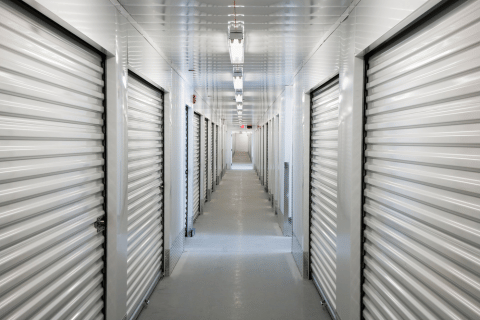
Self Storage
Written by the experts at The Storage Scanner. Our team evaluates hundreds of storage facilities to bring you this unbiased guide to self storage, helping you avoid hidden fees, choose the exact size you need, and keep your belongings secure and dry.
Definition of self storage
What is self storage? Self storage is a rented, private unit in a storage facility where you store your own belongings and control access. You choose the unit size, bring items in, lock the unit, and pay rent for as long as you need it.
Most self storage facilities offer flexible terms, secure access systems, and practical features like trolleys and lifts. Self storage is used by households, students, and businesses that need space without moving home or leasing a warehouse.
For who is self storage?
When self storage is the right choice (and when it isn’t)
Best for:
- Moving, renovating, or decluttering when you need temporary overflow space.
- Storing seasonal items like bikes, sports gear, winter tyres, or garden furniture.
- Students between leases, during internships, or studying abroad for a few months.
- Small businesses needing stock, tools, archives, or a buffer for e-commerce returns.
Not ideal if:
- You need daily, high-volume logistics with pallet handling or forklift access.
- You need guaranteed constant temperature and humidity for sensitive collectibles.
- You want to store prohibited items such as food, fuels, chemicals, or live goods.
- You cannot transport items yourself and need full-service packing and moving included.
How self storage works
Self storage is simple, but the details differ by facility. Most providers follow the same customer journey, from selecting a size to moving out.
- Compare prices: On The Storage Scanner you select a location and unit size, then compare available self storage options and prices in your area.
- Request a unit: You submit your request via our website, sharing your preferred start date and contact details.
- Provider contact: The storage provider contacts you to confirm availability, access details, and any practical requirements like ID or vehicle rules.
- Sign and move in: You sign the contract directly with the provider, receive your access method, and move your items into the unit.
- Ongoing billing and move-out: You pay the provider on the agreed billing cycle, then give notice if required and move out when you’re done.
The key feature of self storage is control. You decide what goes in, how it is packed, and when you visit.
Sizes, capacity and typical use-cases of self storage
Self storage units are usually measured in square metres, with a typical ceiling height around 2.5-3.0 metres. That height matters because smart stacking and uniform boxes can significantly increase usable capacity. Keep in mind that unit shape matters. Two units can be the same m² and still feel totally different. Narrow units are harder to load with sofas and wardrobes, so always ask for the dimensions, not just the square meterage.
To choose a size, think in “bulky items' first (sofas, beds, bikes), then add boxes around them. How you stack can save you money. A tidy 5 m² unit can often beat a messy 7 m² unit. Put heavy items at the bottom, keep similar boxes together, and leave a slim path so you can reach the back.
| Unit size (m²) | Typical capacity examples | Personal & student use-cases | Business storage use-cases |
|---|---|---|---|
| 0-1 | Several small boxes, suitcases, seasonal items, archive crates | Overflow from a room, suitcase storage, short-term declutter before travel | Document boxes, small samples, spare marketing materials, small tool cases |
| 1-2 | 10-15 moving boxes, suitcases, small sports gear | Student room contents, hallway cupboard clear-out, bike gear and boxes | Starter stock buffer, packaging supplies, sample kits, event materials in boxes |
| 2-4 | 15-30 boxes, a bike, small furniture pieces, compact mattress | Small studio overflow, moving between rooms, storing a few bulky items | Samples + POP materials, light stock storage, small tool sets, small archive setup |
| 4-6 | Small sofa, mattress, several boxes, 1-2 bikes, small wardrobes | Studio apartment contents with efficient packing, renovation overflow | Shelving with stock, trade show materials, tools and equipment, small e-commerce buffer |
| 6-8 | Studio to small 1-bedroom contents, larger furniture mix, more box volume | 1-bedroom partial move, gap housing storage, bigger seasonal equipment | Stock with shelving, contractor equipment, small receiving buffer, document retention |
| 8-10 | Typical 1-bedroom apartment contents, including bed + sofa + boxes | Full 1-bedroom move during renovations or relocation, shared living transitions | Small business inventory area, tools + materials, e-commerce returns and packaging |
| 10-15 | 2-bedroom contents if stacked well, or a 1-bedroom with very easy access paths | Family move staging, longer renovation projects, downsizing buffer | Growing stock operation, light pick-and-pack (if allowed), equipment storage, archives + stock combined |
| 15+ | Large household contents, multiple rooms, bulkier items, more flexible layout | Whole-home storage for major moves, long-term storage for larger households | Higher-volume stock, multi-shelf setup, project materials, business relocation overflow, workshop materials storage |
Across all sizes, the most commonly stored items in self storage include furniture, boxed household goods, clothing, bikes, tools, documents, seasonal equipment, and retail stock.
Access and convenience
Access is one of the biggest differences between self storage providers. Some facilities offer 24/7 entry, while others restrict entry to daily hours. Office hours may be shorter than access hours, which matters if you need help or want to buy packing supplies. Check how access works—some sites use a keypad, others a card, fob, or an app. App access is handy, but you’ll still want a backup plan if your phone is dead or there’s no signal.
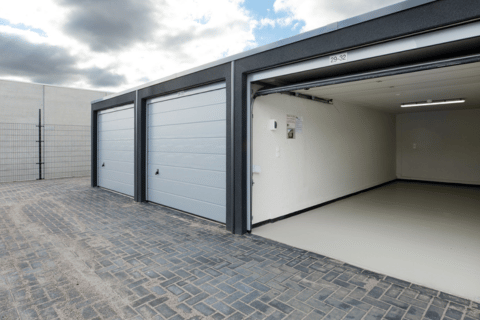
Drive-up access changes everything. If you can park at the door, moving in is quick. Indoor units can mean lifts, corridors, and multiple trolley runs. For business stock, drive-up can make restocking much easier.
When choosing a unit, consider ground floor vs. upper floors. Ground-floor units usually save time and effort, especially with heavy furniture. However, if you only visit a few times a year, upper floors can be perfectly fine and often carry a cheaper monthly rent.
Remember that move-in day is the stressful part. Look for practical details: loading bays, trolley availability, lift size, and how far the unit is from the entrance. Those things matter more than you think when you’re carrying a mattress or heavy boxes.
Security and protection of goods
Most people choose self storage for convenience, but security is a core reason it works. Common facility features include CCTV, perimeter fencing, gated entry, alarms, and controlled access systems. Some providers also use individual unit alarms or monitored corridors.
Your own practices matter as much as the building. Use a high-quality lock that fits the facility’s latch design. Keep an inventory list with photos, especially for electronics, tools, and valuables. Label boxes by room and contents, but avoid advertising high-value items on visible labels. Pack so you can find things later. Number boxes, keep a simple list, and store “first needed' items near the door. Group seasonal items together so you’re not unpacking half the unit for one box.
Packing reduces damage and makes storage more efficient. Use uniform box sizes where possible, tape seams properly, and place heavier boxes at the bottom. Wrap furniture corners, protect glass with padding, and keep soft items in sealed bags to reduce dust exposure.
Insurance is often optional but strongly recommended. Some providers include basic coverage, while others require you to buy their policy or show proof of your own cover. Check the insured value, exclusions, and how claims work, especially for electronics and business stock.
Climate and item suitability
Not all self storage units have the same climate conditions. Standard units can experience temperature swings across seasons, and humidity can vary by building type. Indoor, well-insulated facilities usually perform better than outdoor containers, but results still differ.
Humidity is the main enemy of stored goods. Ideally, humidity levels should be kept below 50-55% to prevent mold growth. Paper, books, and documents can warp or grow mould if air stays damp. Wood can swell or crack with changing humidity, and metal can corrode. Electronics are sensitive to moisture and condensation, especially if moved from cold storage into a warm room quickly.
Because moisture is the main risk, never store anything damp. Use pallets or plastic sheets to keep items off the floor if allowed. Leave small air gaps between walls and items to support airflow. If you notice a musty smell during a visit, re-pack and add moisture absorption products (like silica gel or desiccants) immediately.
Ventilation helps, but it is not a guarantee. If you store fabrics, mattresses, or upholstered furniture, keep them clean and dry before storage. Use breathable covers rather than plastic wrap directly on fabric, which can trap moisture. For mattresses, store flat if possible, and avoid leaning long-term if it deforms the core.
Food rules are strict in self storage. Most facilities prohibit perishable food, open packages, or anything that can attract pests. Never store fuels, fireworks, chemicals, or anything illegal or hazardous.
Costs and pricing model
Self storage pricing usually starts with monthly rent for the unit. The biggest price driver is unit size, but location can matter even more. Facilities in central areas typically cost more than those on the edge of a city.
Many providers charge a deposit, an administration fee, or both. Some require you to buy a specific lock, while others allow your own. Insurance may be bundled or offered as an add-on, and coverage levels can change the total monthly bill.
Other cost factors include transport and handling. If you hire a van, movers, or packing services, those costs can exceed the first month of rent. Minimum term requirements can also matter, because a low monthly price is less attractive if you must pay for several months.
Indexation and price adjustments can apply, especially for longer stays. Some contracts allow periodic rent increases, tied to inflation or internal pricing policies. Always check how and when price changes can occur, and what notice is required.
Contracts and practical pitfalls
Self storage contracts are often straightforward, but the fine print shapes your experience. Minimum stay is a key point. Some facilities offer true month-to-month flexibility, while others require a fixed first period, like four weeks or three months.
Short stays need strict contract timing. If you only need self storage for a few weeks, check notice rules and billing dates carefully. Many providers won’t refund unused days, so your exact move-out date can dictate whether you pay for a whole extra month.
Billing cycles can be monthly, four-weekly, or aligned to a specific day. Four-week billing can look similar to monthly pricing, but it adds an extra 13th payment across a year. Also check late fees, interest, and the escalation path if a payment fails.
Business use can have its own rules. Some facilities encourage commercial use by allowing direct deliveries, installing shelving, and light packing, while others explicitly ban it. If you plan to run e-commerce fulfillment from the unit, confirm exactly what’s allowed before you book.
Finally, confirm what happens at move-out. Ask whether cleaning is required, how deposits are returned, and how quickly access is cancelled. A clear exit process reduces stress when you are already busy moving.
Choosing a provider
Checklist: how to compare self storage options
- Location and access: Distance, access hours, loading space, lifts, carts, and vehicle limits.
- Unit fit: Size range, ceiling height, unit types, and whether you can switch sizes later.
- Total cost: Rent plus admin fees, deposit, insurance, lock purchase, and potential price increases.
- Security and conditions: CCTV, gated entry, lighting, cleanliness, moisture control, and pest prevention.
- Contract terms: Minimum stay, notice rules, billing cycle, and late fee policies.
- On-site practicality: Staff support, packaging supplies, disposal options, and peak-time congestion.
- Reviews and transparency: Clear unit descriptions, real photos, and consistent pricing communication.
Use this checklist while comparing self storage offers on The Storage Scanner, and treat it like a decision filter. If two options are similar in price, convenience and contract terms usually decide the winner.
About this guide
This guide focuses on self storage. We structured it around the factors people compare when choosing self storage, and the pitfalls that create unexpected cost or inconvenience.
We considered security features, access patterns, contract terms, and the practical reality of moving items in and out. We also included common user storage patterns, such as moving, renovation overflow, seasonal storage, and small business stock use.
We keep the guide updated by monitoring changes in how storage providers present access, pricing components, and contract structures. We also refresh examples and checklists to reflect how customers typically use self storage today.
At The Storage Scanner we compare self storage options across locations, sizes, and features, so users can evaluate choices with consistent information. The goal of this guide is to help you getting more familiar with self storage, both before and after you've booked a unit.
FAQs
How long can I rent self storage?
Self storage can be rented for almost any timeframe, from a few weeks to several years. Many providers offer flexible month-to-month agreements, but some have a minimum stay, such as four weeks or three months. The practical limit is usually in the contract details, including notice period, billing cycle, and how move-out dates are handled. If you only need short-term storage, check whether you can end mid-cycle or only at the next billing date.
Can I change my unit size later?
Often yes, as long as the facility has availability. Some providers treat a size change as a simple unit transfer, while others set up a new agreement with a new price. Ask whether there are transfer fees, whether you need to give notice before switching, and how billing works during the change. If you expect your storage needs to change, it helps to choose a provider that makes resizing easy and transparent.
Do I need insurance for self storage?
Many providers recommend insurance, and some require it as part of the rental. You may be covered through your home or business insurance, but off-site storage often has limits or exclusions. Check the maximum covered value, whether theft and water damage are included, and which item types are excluded. If the provider offers an in-house policy, compare coverage levels and deductibles, and keep photos or receipts for higher-value items in case you ever need to make a claim.
Is self storage safe for furniture and mattresses?
It can be safe if items are stored clean, completely dry, and protected in a way that allows airflow. Use breathable covers for sofas and mattresses, and avoid wrapping fabric tightly in plastic, which can trap moisture. Keep items off the floor if possible and leave a small gap between items and walls to reduce condensation risk. For mattresses, storing flat is usually better than leaning long-term, and climate-stable indoor units can be a safer choice for longer storage periods.
Can I access my unit whenever I want?
Access depends on the facility’s access hours, and those can differ from office hours. Some locations offer 24/7 access, while others limit entry to set hours and may operate differently on weekends or holidays. Check the exact access window and how access is provided, such as keypad, card, fob, or app entry. If you rely on app access, it is worth checking whether there is a backup option if your phone is out of battery or the signal is weak.
What can’t I store in self storage?
Rules vary by provider, but there are common restrictions. Prohibited items often include perishable food, plants, animals, illegal items, fuels, gas bottles, fireworks, chemicals, and anything that can leak, smell, or attract pests. Some facilities also restrict certain batteries, flammables, or business materials. If you are unsure about an item, ask the provider in writing before you store it, because breaking the rules can lead to access restrictions or contract termination.
Do self storage prices increase over time?
They can, especially for longer stays. Some contracts include indexation, meaning rent can rise periodically based on inflation or a defined index. Others allow price adjustments under the provider’s pricing policy. Check how often increases can happen, what notice you receive, and whether increases can apply during a minimum term. If you plan to store long-term, keep a copy of the terms and ask the provider to explain how price changes work in practice.
What is the difference between self storage and container storage?
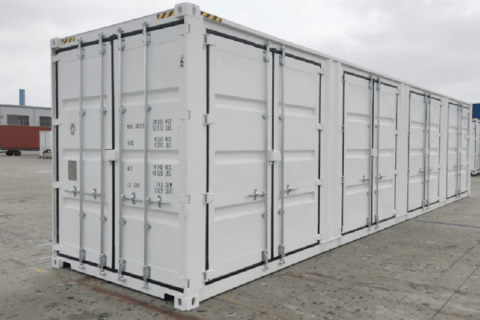
Self storage usually refers to individual units inside a managed facility with controlled access, indoor corridors, and features like lifts and trolleys. Container storage is often outdoors, which can be convenient for loading but may have less stable climate conditions. Outdoor units can be more exposed to temperature swings and humidity depending on construction and ventilation. If you are storing items like paper, electronics, or delicate furniture, indoor self storage is often the safer option, while drive-up formats can be practical for bulky items and quick loading.
Do I need to clean the unit before moving out?
Most providers expect the unit to be completely empty and left in reasonable condition. That usually means removing rubbish, taking away packaging materials, and leaving the space tidy. If the unit is left dirty or damaged, some providers may charge a cleaning or repair fee, or deduct it from a deposit if one applies. It can help to take photos of the empty unit and confirm the end date and move-out procedure in writing, including returning any access cards, fobs, or keys.
Glossary
Key storage terms explained
- Deposit: A refundable amount held as security, sometimes returned after move-out if terms are met.
- Notice period: The time you must give before ending your rental, often linked to the billing date.
- Access control: The system used to enter the facility, such as keypad code, app, card, or fob.
- Climate-controlled: Units designed to keep temperature and sometimes humidity more stable than standard units.
- Drive-up: A unit you can reach directly by vehicle, typically at ground level with a door facing outside.
- Inventory list: A record of what you stored, often with box numbers and photos for easier retrieval.
- Insured value: The maximum amount an insurance policy may pay out for covered loss or damage.
Other Storage Types


We’re Here to Help You
The Storage Scanner is dedicated to offering the best support and expert advice in the industry. Our team of storage specialists is here to help you every step of the way, from comparing local facilities to booking the perfect unit for your needs.
We take pride in our 4.8/5 customer rating of 85 Google reviews and our commitment to making your search for self storage simple, transparent, and stress-free. Whether you need help over the phone or online, we’ll ensure you find the right space at the right price.
Find Storage Units Near Me
Looking for cheap self storage? Whether you need personal storage for a move or business storage for inventory, The Storage Scanner compares thousands of storage units near you. Find the best storage space and rent storage at the lowest price today!