Self Storage: The Basics
Written by the The Storage Scanner team. We compare storage options across Europe and the UK and help users understand not only prices and sizes, but also storage types, access, booking, and what to expect before and after move-in. This guide covers the basics of self storage and related storage solutions in a practical, Europe-focused way.
If you are new to storage, the process can feel confusing at first. What is the difference between self storage and container storage? Is a garagebox suitable for household items? When does locker storage make sense? What exactly is pick-up and delivery storage (also called valet storage), and how does it work in practice?
On top of that, many first-time users have practical questions about booking, contracts, payments, access, minimum rental periods, what you can and cannot store, and what happens if you miss a payment. These are normal questions, and understanding the basics early will help you make a much better storage decision.
This guide is designed as a broad, high-quality, Europe-focused introduction to storage basics. It covers the most common storage types, how to choose the right option, how renting usually works, how to compare facilities and providers, and how to use The Storage Scanner to find the right storage solution near you.
We focus on real-world decisions, not just definitions. That means this article is useful whether you are moving home, renovating, storing student belongings, managing business stock, or simply trying to reclaim space at home.
What Is Self Storage?
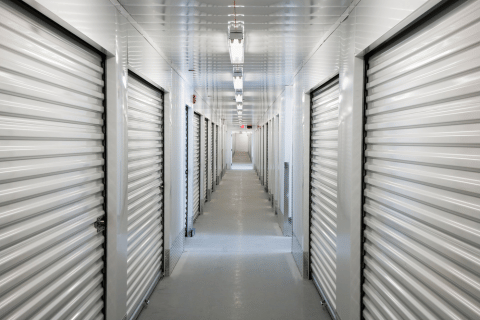
Self storage is a service where a storage company (often called a storage provider or storage facility) rents you a private storage space for your belongings. These spaces are usually called storage units or storage lockers, depending on size and facility type.
In a standard self storage setup, you choose a unit size, sign a rental agreement, bring your items to the facility, and lock the unit yourself. You usually keep the key (or access credentials) and can access the unit during the facility’s access hours, or sometimes 24/7 if that option is available.
In Europe and the UK, self storage is commonly used by:
- Households during moves, renovations, or decluttering
- Students between terms or housing changes
- People relocating or travelling
- Businesses storing stock, archives, tools, or project materials
- People in temporary housing gaps between move-out and move-in dates
One of the biggest strengths of self storage is flexibility. Many facilities offer short-term and medium-term solutions, and in many cases storage can also be used for longer periods if needed.
What Other Storage Types Exist Besides Self Storage?
When people say “storage,' they often mean self storage, but there are several different storage models in Europe. Choosing the right one depends on your access needs, item types, budget, and how hands-on you want to be.
1) Self Storage
This is the most common format: a private, lockable unit inside a storage facility (or in some cases an outdoor-access unit). You transport your items to the facility, load the unit yourself, and access it yourself.
Best for: flexibility, frequent access, households, students, and businesses.
2) Container Storage
Container storage usually means storing your items in a secure storage container, often located at an outdoor storage site, depot, or industrial area. Some providers use shipping-container style units, while others use purpose-built storage containers.
Container storage often offers good practicality for bulky items and easy loading, especially when vehicle access is straightforward.
Best for: bulky household goods, tools, materials, business inventory, and users who prioritize practical loading access.
3) Garagebox Storage
Garagebox storage refers to a private, lockable garage-style unit, often with direct access from outside. Garageboxes are commonly used for household overflow, equipment, tools, bikes, motorbikes, and sometimes business storage (depending on site rules).
Garagebox storage can be very convenient, but usage rules vary. Some locations allow only storage, while others may allow limited additional uses. Always check the site’s terms and permitted use before renting.
Best for: direct-access storage, tools/equipment, household overflow, and users who value convenience.
4) Locker Storage
Locker storage is a smaller storage format, often designed for boxes, luggage, seasonal items, or compact personal belongings. Lockers may be located inside a storage facility or within specialized urban storage concepts.
Locker storage can be a cost-effective option if you do not need a full-sized unit and your storage needs are modest.
Best for: luggage, student items, short-term personal storage, seasonal clothing, archives, and compact storage needs.
5) Pick-Up and Delivery Storage (Valet Storage)
Pick-up and delivery storage (also called valet storage) is a service model where the provider picks up your items, stores them in their facility, and returns them later on request. In some cases, you can request specific items back; in others, you book a return of the whole stored inventory.
This can be very convenient if you do not have a vehicle, do not want to carry items yourself, or live in a city where moving logistics are difficult. However, it can be less flexible for frequent access than classic self storage, and transport/service fees may apply.
Best for: convenience-focused users, city dwellers, people without transport, and users storing items for longer periods with limited access needs.
Characteristics of Storage Types
| Feature | Self Storage | Container | Garagebox | Locker | Valet / Delivery |
|---|---|---|---|---|---|
| Access Frequency | High | Medium | High | High | Low |
| Heavy Furniture | Yes | Yes | Yes | No | Yes |
| Climate Control | Usually | Rare | Rare | Often | Yes |
| DIY Loading | Yes | Yes | Yes | Yes | No |
| Best For... | Households & Businesses | Bulky items & Tools | Direct vehicle access | Small personal items | Convenience & No transport |
Why People Use Storage in Europe
There are many reasons people rent storage, and understanding your reason helps you choose the right storage type and provider. Storage is not only for “too much stuff.' It is often used as a practical tool during transitions, projects, and business growth.
Common personal reasons for storage:
- Moving home
- Renovations or temporary room clearance
- Decluttering to create more living space
- Travelling or living abroad temporarily
- Downsizing
- Housing gaps between rental or purchase dates
- Storing seasonal sports equipment or hobby gear
Common student reasons for storage:
- Summer break storage
- Exchange programs / studying abroad
- Moving between rooms or cities
- Graduation transitions
- Temporary housing gaps
Common business reasons for storage:
- Stock overflow
- Archives and document retention
- Tools and equipment storage
- Business relocation / office move
- Store refit or refurbishment overflow
- Event and trade show materials
- E-commerce packing supplies and returns buffer
Once you identify the reason for storage, choosing the right type becomes much easier. For example, a student storing luggage and boxes for summer may need a locker or small self storage unit, while a contractor storing tools and materials may benefit more from a garagebox or container storage setup.
How Storage Works: The Basics
If you have never rented storage before, this is the basic process most users in Europe follow. The details vary by provider, but the general flow is similar across many storage types.
1) Decide What You Are Storing
Start with a clear inventory list. You do not need perfect precision, but you should know:
- What large items you are storing (beds, sofas, appliances, desks, bikes, etc.)
- How many boxes or bags you expect
- Whether any items are fragile, valuable, or condition-sensitive
- Whether you need regular access to some items during storage
This step is essential because it affects size, storage type, and amenities. A “storage for a move' may sound straightforward, but the right solution can change depending on whether you are storing mainly furniture, mainly boxes, or mixed household contents plus tools and bikes.
2) Check What You Can and Cannot Store
Every storage provider has rules on permitted and prohibited items. The exact list varies by country, facility, and storage type, but there are common restrictions.
Items commonly prohibited (examples, varies by provider):
- Flammable liquids and fuels
- Explosives and fireworks
- Gas cylinders
- Hazardous chemicals
- Perishable food
- Illegal goods
- Live animals or plants (in most cases)
- Certain batteries or high-risk items (depending on policy)
Always read the provider’s rules and ask if you are unsure. This is especially important for garagebox and container storage, where users may assume “practical' means unrestricted. It usually does not.
3) Choose the Right Storage Type
Before choosing a specific unit, decide which storage model fits your use-case best:
- Self storage if you want regular access and flexibility
- Container storage if you need practical loading for bulky items
- Garagebox storage if you want direct-access convenience
- Locker storage if you only need a compact space
- Pick-up and delivery storage if convenience matters more than frequent access
This is one of the biggest “basics' decisions. Choosing the wrong storage type can create unnecessary cost or inconvenience even if the quoted price looks good.
4) Estimate the Right Size
For self storage, container storage, and garagebox storage, size selection matters a lot. In Europe and the UK, units are typically compared using square metres (m²).
You do not need to measure everything exactly, but you should estimate a size range based on your inventory and how tightly you plan to pack. If you need access during storage, choose a size that allows a small access path instead of packing wall-to-wall.
Locker storage users should also estimate volume realistically. A small number of bulky items can exceed a locker quickly, even if the item count looks low.
5) Identify the Amenities and Access You Need
Storage is not just about space. Access and facility features affect your experience. Examples include:
- Access hours (or 24/7 access)
- Drive-up access or loading bay
- Lift access and trolleys (for indoor units)
- Climate-controlled or heated units
- Security features and staffing
- Digital booking and account management
For pick-up and delivery storage, the equivalent “amenities' are often service-related:
- Collection and return scheduling
- Lead times for item return
- Item inventory system/photos
- Minimum collection volume or service fees
6) Compare Prices and Providers
This is where many users lose time if they search provider-by-provider. A comparison platform can make this much easier.
With The Storage Scanner, you can compare storage options across providers and facilities, and evaluate practical differences instead of only headline prices. This is especially useful in fragmented European markets where providers may present information differently.
7) Book and Prepare for Move-In (or Collection)
Once you choose a storage option, confirm the booking terms and prepare properly:
- Confirm access/collection timing
- Pack and label items clearly
- Use a suitable lock if required (for self storage/garagebox/container)
- Keep your contract and payment details organized
- Take photos/inventory of valuable items
Good preparation is one of the easiest ways to reduce stress and avoid mistakes.
How The Storage Scanner Helps with Renting Storage
The Storage Scanner is not only useful for comparing prices. It also helps users understand and compare the fundamentals of storage selection across Europe and the UK.
Why this matters for beginners:
- Storage markets can be fragmented and confusing
- Different providers use different terms and formats
- Users often need to compare more than one storage type or facility setup
- Practical differences (access, distance, facility type) matter as much as price
When learning the basics of storage, comparison itself is part of the education. Seeing options side-by-side helps users understand what is standard, what varies, and which solution actually fits their needs.
The Storage Scanner helps users move from “I need storage' to “I know which storage type and unit is right for me.'
How to Find a Storage Unit or Storage Service in Europe
Years ago, people often found storage by calling around, visiting facilities, or relying on local directories. Today, most users begin online, and for good reason: storage availability, pricing, and options can vary significantly by area and provider.
A strong approach is to compare multiple options before contacting or booking. This helps you avoid choosing the first provider you find without understanding what else is available nearby.
Best practice for finding storage in Europe:
- Start with your location and use-case
- Decide which storage type is most suitable
- Compare providers/facilities/options in your area
- Shortlist options that fit your size, access, and budget needs
- Review terms and book the best-fit option
Using The Storage Scanner makes this process faster because you can compare providers and units in one place rather than searching each provider separately.
Do You Need a Reservation or Can You Walk In?
This depends on the provider and location. Some facilities welcome walk-ins and may have immediate availability. However, availability and pricing can change, especially in high-demand areas or peak moving periods.
In practice, reserving or booking in advance is often a smart choice because it can help you:
- Secure a suitable unit before availability changes
- Lock in the price shown at the time of booking (subject to provider terms)
- Reduce move-day uncertainty
- Plan your move/collection with more confidence
For pick-up and delivery storage, advance booking is even more important because collections usually require scheduling.
Even if a walk-in is possible, comparing and booking ahead is usually the safer and more efficient option.
How Storage Contracts and Rental Periods Usually Work in Europe
One of the most common beginner questions is: How long do I have to rent storage?
Many storage solutions are designed to be flexible, and many users rent storage for short or medium periods. However, exact contract terms vary by provider, country, and storage type. Some providers offer month-to-month flexibility; others may have notice periods, minimum terms, or promotional conditions.
Common contract basics to check before renting:
- Minimum rental period (if any)
- Billing cycle (monthly is common, but confirm)
- Notice period for ending the rental
- Price promotions and conditions (for example, minimum stay requirements)
- Late payment fees and timeline
- Access rights and restrictions
- Prohibited items and liability rules
Important: Do not assume every facility works exactly the same way. Always read the contract or terms before signing. This is true for all storage types, including self storage, container storage, garageboxes, and valet storage services.
What Happens If You Pay Late?
Late payment rules differ by provider and by country, and they are governed by contract terms and local legal frameworks. The exact process can vary significantly, so you should always check your rental agreement for the provider-specific details.
That said, there are some broad principles that apply in many cases:
- Providers usually send reminders and notices before taking serious action
- Late fees may apply according to the contract
- Access to the unit/service may be restricted if payment remains overdue
- If payment problems continue for a long time, the provider may follow a formal recovery process under applicable law and contract terms
The best way to avoid serious problems is simple: communicate early. If you are unable to pay on time, contact the provider as soon as possible. Most providers do not want a prolonged dispute or formal recovery process. Clear communication can help you understand your options and next steps.
This applies across storage types. Even if you are using pick-up and delivery storage, delayed payment can affect access to your stored items or return scheduling depending on the provider’s terms.
What Are Storage Auctions and Do They Happen in Europe?
People often ask about storage auctions because of television shows and online stories. The reality is usually much less dramatic.
In general terms, a storage auction (or equivalent sale process) refers to a legal process used in some jurisdictions to recover unpaid rent or debt after a long period of non-payment and formal notice procedures. The exact rules vary by country and local law, and not all places use the same legal mechanism or terminology.
Key point for Europe: the process for unpaid storage accounts is governed by local laws and contract terms, and these differ across countries. Do not assume a TV-style process applies everywhere.
What matters for users:
- Read the late-payment and enforcement clauses in your contract
- Keep your contact details up to date so you receive notices
- Pay on time or contact the provider early if you have a problem
- Do not rely on assumptions from non-European examples or television
The practical takeaway is simple: most serious problems are avoidable with communication and timely payment.
Do You Need Credit Checks, Local Citizenship, or Special Documents?
Requirements vary by provider and country, but many storage providers primarily require identification and payment details rather than traditional consumer credit checks. However, you should not assume this applies in every case.
Common requirements may include:
- Government-issued ID (passport or national ID card)
- Address details
- Payment method
- Signed rental agreement / terms acceptance
For international users, expats, or students, storage is often still possible with a passport or accepted government ID, but it is best to confirm the provider’s requirements in advance. This is especially important if you need storage quickly during relocation or between housing contracts.
Some providers may have additional verification steps for certain access types or account setups. Always check before arranging transport.
Which Type of Storage Should You Choose?
This is one of the most important “basics' questions because many users compare only prices without first choosing the right storage model.
Choose Self Storage If...
- You want flexible access to your unit
- You want to manage packing and loading yourself
- You need a broad choice of unit sizes
- You may need short-term or long-term storage
Choose Container Storage If...
- You are storing bulky items or materials
- Practical loading access matters more than premium indoor amenities
- You prefer a robust, straightforward storage setup
Choose Garagebox Storage If...
- You want direct-access convenience
- You need storage for tools, equipment, bikes, or household overflow
- You value easy loading and unloading
Choose Locker Storage If...
- You only need a small amount of storage space
- You are storing luggage, boxes, or compact belongings
- You want a more affordable option than a full unit
Choose Pick-Up and Delivery Storage If...
- You prioritize convenience and do not want to transport items yourself
- You live in a dense urban area or do not have access to a vehicle
- You do not need frequent spontaneous access
- You are comfortable with collection/return scheduling and service fees
There is no universal “best' storage type. The right choice is the one that fits your inventory, access needs, and daily reality.
How to Use Storage Properly
Once you rent storage, using it well makes a big difference. Good organization helps protect your belongings and makes retrieval easier later.
Before Move-In / Collection
- Sort what you are actually storing (do not store what you can donate/sell/dispose of first)
- Pack in sturdy boxes where possible
- Label boxes clearly on multiple sides
- Protect furniture, mattresses, and fragile items
- Take photos of valuable items
- Keep an item list/inventory
During Move-In (Self Storage / Container / Garagebox / Locker)
- Place heavy items at the bottom
- Store mattresses and large panels efficiently (often upright if safe and appropriate)
- Create stable box stacks
- Keep frequently needed items near the entrance
- Leave a small access path if you expect repeat visits
- Check the unit is closed and locked properly before leaving
For Pick-Up and Delivery Storage
- Label items and boxes very clearly before collection
- Confirm inventory/photo process with the provider
- Understand return lead times for individual items vs full returns
- Keep a copy of your item list and account details
Common Storage Mistakes
People often think storage problems come from bad luck, but most issues come from basic planning mistakes. Here are the most common ones.
1) Choosing the Wrong Storage Type
Example: choosing pick-up and delivery storage when you need weekly access, or choosing a locker when you actually have bulky furniture.
Fix: start with your use-case and access needs, not just price.
2) Underestimating Space
Many users forget how much volume boxes, soft furnishings, and awkward items take.
Fix: estimate inventory properly and allow margin if unsure.
3) Ignoring Access Hours and Logistics
A good unit can still feel like a bad choice if access hours do not fit your schedule or move-in is difficult.
Fix: check access/office hours, loading setup, and facility usability before booking.
4) Not Reading the Terms
Assumptions about minimum stay, notice periods, or late fees can cause avoidable problems.
Fix: read the contract/terms and ask questions before signing.
5) Poor Packing and Labelling
This creates damage risk and makes retrieval frustrating.
Fix: pack properly, label clearly, and keep an inventory list.
6) Waiting Too Long to Communicate About Payment Problems
Silence usually makes contract/payment issues harder to solve.
Fix: contact the provider early if something changes.
How The Storage Scanner Fits Into the Basics Journey
For many people, the hardest part of storage is not the move itself. It is figuring out what kind of storage to choose and how to compare options confidently. That is where The Storage Scanner adds value.
The Storage Scanner helps users at the “basics' stage by making comparison easier and more transparent. Instead of learning about storage one provider website at a time, users can start with the fundamentals:
- What storage options exist near me?
- Which type suits my use-case best?
- How do prices, sizes, and locations compare?
- Which provider/facility/unit is the best fit for my needs?
This is especially useful in Europe, where storage markets vary by country and city, and provider presentation can be inconsistent. Comparison helps users learn and decide at the same time.
(Self) Storage Basics FAQs for Europe
What is self storage?
Self storage is a service where a provider rents you a private storage unit or locker so you can store belongings you do not currently have space for. You usually move items in yourself and access them during the facility’s access hours.
How do I use storage for the first time?
Start by listing what you want to store, check what is allowed, choose the right storage type (self storage, container, garagebox, locker, or pick-up and delivery), estimate the right size, compare options, book, and prepare your items properly for storage.
What is the difference between self storage and container storage?
Self storage usually means a private unit in a storage facility, often with indoor access options and a broad range of sizes. Container storage usually uses secure containers, often with practical outdoor loading access and a more industrial setup. The best choice depends on your access needs and item types.
What is garagebox storage?
Garagebox storage is a private, lockable garage-style unit, often with direct outdoor access. It is commonly used for household overflow, tools, equipment, bikes, and some business storage uses, subject to site rules.
What is locker storage?
Locker storage is a smaller storage option designed for compact belongings such as boxes, luggage, seasonal items, and personal goods. It is often a cost-effective alternative to renting a full-sized storage unit.
What is pick-up and delivery storage (valet storage)?
Pick-up and delivery storage is a service where the provider collects your items, stores them, and returns them later when requested. It is convenient for users who do not want to transport items themselves, but it is often less flexible for frequent access than classic self storage.
How long can I rent storage in Europe?
This depends on the provider and contract terms. Many storage providers offer flexible rental arrangements, but minimum terms, notice periods, and promotional conditions vary. Always read the rental terms before booking.
Do I need to reserve a storage unit or can I walk in?
Some providers allow walk-ins, but reserving/booking in advance is often recommended because availability and pricing can change. Booking ahead usually gives more certainty and a smoother move-in process.
Can I store anything I want?
No. Providers have rules on prohibited items, and these vary by facility and country. Hazardous, flammable, illegal, and perishable items are commonly restricted. Always check the provider’s terms if you are unsure.
What happens if I pay late?
Late payment policies vary by provider and local law. Contracts usually explain late fees, notices, access restrictions, and further steps if non-payment continues. If you think you may pay late, contact the provider early to discuss your situation.
Do storage auctions happen in Europe?
Processes for unpaid storage accounts vary by country and are governed by local law and contract terms. Do not assume the same process applies everywhere. The best way to avoid serious issues is to pay on time and communicate early if there is a problem.
Do I need to be a local citizen to rent storage in Europe?
Requirements vary, but many providers mainly require a valid government-issued ID and payment details. If you are an international user, expat, or student, contact the provider in advance to confirm accepted ID types.
How do I choose between self storage, garagebox, and valet storage?
Choose based on access needs and convenience. If you want regular self-access, self storage or garagebox storage may be best. If you prioritize convenience and do not need frequent access, pick-up and delivery storage can be a strong option.
How can The Storage Scanner help me if I’m new to storage?
The Storage Scanner helps you compare storage options across providers and facilities so you can understand the market, compare prices and unit options, and choose the storage solution that fits your needs instead of guessing or relying on one provider alone.
Quick Checklist for First-Time Renters
Use this summary to ensure you haven’t missed any critical steps before your move-in day.
| Phase | Task | Pro Tip |
|---|---|---|
| 1. Discovery | Use The Storage Scanner | Compare providers side-by-side to find the best balance of price, size, and distance in one search. Request a unit directly via The Storage Scanner. |
| 2. Planning | Confirm Inventory & Size | Group items by stackability; don't pay for space you don't need or 'unused air.' |
| 3. Compliance | Check Prohibited Items | Ensure no fuels, perishables, or hazardous chemicals are packed to avoid contract issues. |
| 4. Documents | Valid ID & Payment | Have your Passport or National ID ready. Confirm if the facility requires a digital or physical copy. |
| 5. Protection | Verify Insurance | Standard home insurance often excludes off-site storage. Secure a policy that covers your specific inventory. |
| 6. Logistics | LEZ/ULEZ Check | If driving a van in cities like London, Paris, or Berlin, check Low Emission Zone compliance to avoid heavy fines. |
| 7. Security | Get a High-Quality Lock | Invest in a disc lock. Its rounded design makes it significantly more resistant to bolt cutters. |
| 8. Move-In | Label & Photo Record | Label boxes on two sides and take a photo of your fully packed unit for organization and insurance peace of mind. |
Conclusion
The best storage decision starts with understanding the basics: what you are storing, how often you need access, which storage type fits your use-case, and what contract and operational details matter before you book. Once you understand those fundamentals, choosing between self storage, container storage, garagebox storage, locker storage, and pick-up and delivery storage becomes much easier.
For users across Europe and the UK, the most practical approach is to compare options carefully rather than defaulting to the first provider you find. That is where The Storage Scanner is especially useful: it helps you move from uncertainty to clarity by comparing storage options in a more transparent way.
Ready to find the right storage solution? Use The Storage Scanner to compare storage options near you and choose the setup that fits your belongings, access needs, and budget, with a smarter, clearer way to search.
Other Storage Guides

We’re Here to Help You
The Storage Scanner is dedicated to offering the best support and expert advice in the industry. Our team of storage specialists is here to help you every step of the way, from comparing local facilities to booking the perfect unit for your needs.
We take pride in our 4.8/5 customer rating of 85 Google reviews and our commitment to making your search for self storage simple, transparent, and stress-free. Whether you need help over the phone or online, we’ll ensure you find the right space at the right price.
Find Storage Units Near Me
Looking for cheap self storage? Whether you need personal storage for a move or business storage for inventory, The Storage Scanner compares thousands of storage units near you. Find the best storage space and rent storage at the lowest price today!